Scottish English
Rhotic, rich, and unafraid of weather
Scottish English sits beside Scots—a sister Germanic language—and Gaelic heritage. From Edinburgh's clipped professionalism to Glasgow's kinetic vowels, Scotland keeps hard R's, glottal stops, and vocabulary that predates the Union. It is British English's northern cousin with its own parliament and its own mouth.

Quick answer
What is Scottish English?
Scottish English is English as spoken in Scotland, shaped by Scots and Gaelic contact. This Rhetoriq guide covers Scottish vocabulary, pronunciation notes, and transforms that respect the difference between Scottish English and Scots language.
Also known as: Scottish dialect · Scots English · Glaswegian English
People search for this as “scottish english”.
Live transform
Hear it in Scottish English.
Type a line, then open the full demo — or start from a sample below.
Before → after
Same meaning. Different voice.
Weather chat
“It is raining very hard. You should take an umbrella.”
“It's hoaching down out there—ye'll need a brolly or ye'll get drookit.”
Small child
“The little girl is tired and wants to go home.”
“The wee lassie is knackered—wants her bed.”
Agreement
“Yes, I think that is a good plan. Let's do it.”
“Aye, that's a belter of an idea. Let's get it done.”
Shopping
“I am going to buy groceries at the supermarket.”
“I'm away tae the shop for the messages—need milk and a loaf.”
Place & culture
Where the dialect lives.




Phrases
Everyday lines.
- YesAyeUniversal affirmative
- SmallWeeSize and affection
- BeautifulBonnieLandscape and people
- ChildBairn / weanWean especially west
- Don't knowDinnae kenScots 'ken' = know
- Come onCome on / get a move onHurry up
- ApproximatelyA wee bitDegree modifier
- That's enoughThat's usTask complete
Vocabulary
Words that carry the place.
- LochLake (also used in place names)“We walked round Loch Lomond.”
- GlenValley“Mist in the glen this morning.”
- KirkChurch“Meet you by the auld kirk.”
- BletherChat, gossip“Stop blethering and eat your porridge.”
- DreichDull, wet, miserable weather“Proper dreich day—take a jacket.”
- GuttiesPlimsolls / trainers“Kids need gutties for PE.”
- MessagesGroceries / shopping trip“I'm away for the messages.”
- OutwithOutside of, beyond“That's outwith my remit.”
- ScranFood“Good scran at that chippy.”
Idioms
Sayings with a local spin.
- It's raining heavilyIt's pelting / hoaching downWeather obsession, precisely labeled
- He's foolishHe's a balloon / tubeInsult varies by city
- Mind yourselfBehave / watch outParental warning
- Everything's fineWe're all goodUnderstated OK
- Very drunkSteamboats / blooteredRegional slang spread
Slang
Street-level color.
- ExcellentPure dead brilliantGlasgow intensifier stack
- AnnoyedMinging / ragingContext-dependent
- GuyLad / palFriendly address
- SuspiciousShiftySide-eye warranted
- VeryMad'Mad busy' = very busy
Grammar notes
How the pattern works.
Scots verb forms
'Dinnae' (don't), 'cannae' (can't), 'willnae' (won't) persist in informal speech. 'Are you not?' → 'Are ye no?'
Definite article reduction
Phrases like 'go to the shops' may become 'go tae the shops' with different vowel quality; 'the' can reduce before consonants.
Modal might + past
'I might go' and 'I might've went' appear in casual narrative—past forms sometimes follow Scots patterns.
Demonstratives
'That man there' → 'yon man' (more distant or pointed). 'Yon' is a Scots determiner still active in Scottish English.
Geography
On the map.
- countryUnited Kingdom (Scotland)
- regionCentral Belt
- regionHighlands & Islands
- regionNortheast (Doric)
- regionBorders
- regionShetland & Orkney
- regionGlasgow urban
- regionEdinburgh & Lothian
- regionFife & Tayside
- cityGlasgow
- cityEdinburgh
- cityAberdeen
- cityDundee
- cityInverness
- cityStirling
- cityPerth
- cityPaisley
- citySt Andrews
- cityDumfries
Roots
History & culture.
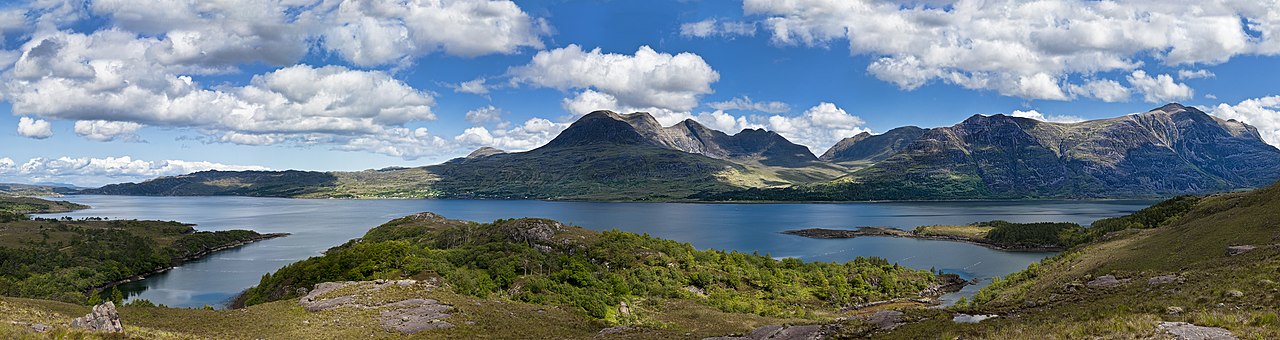
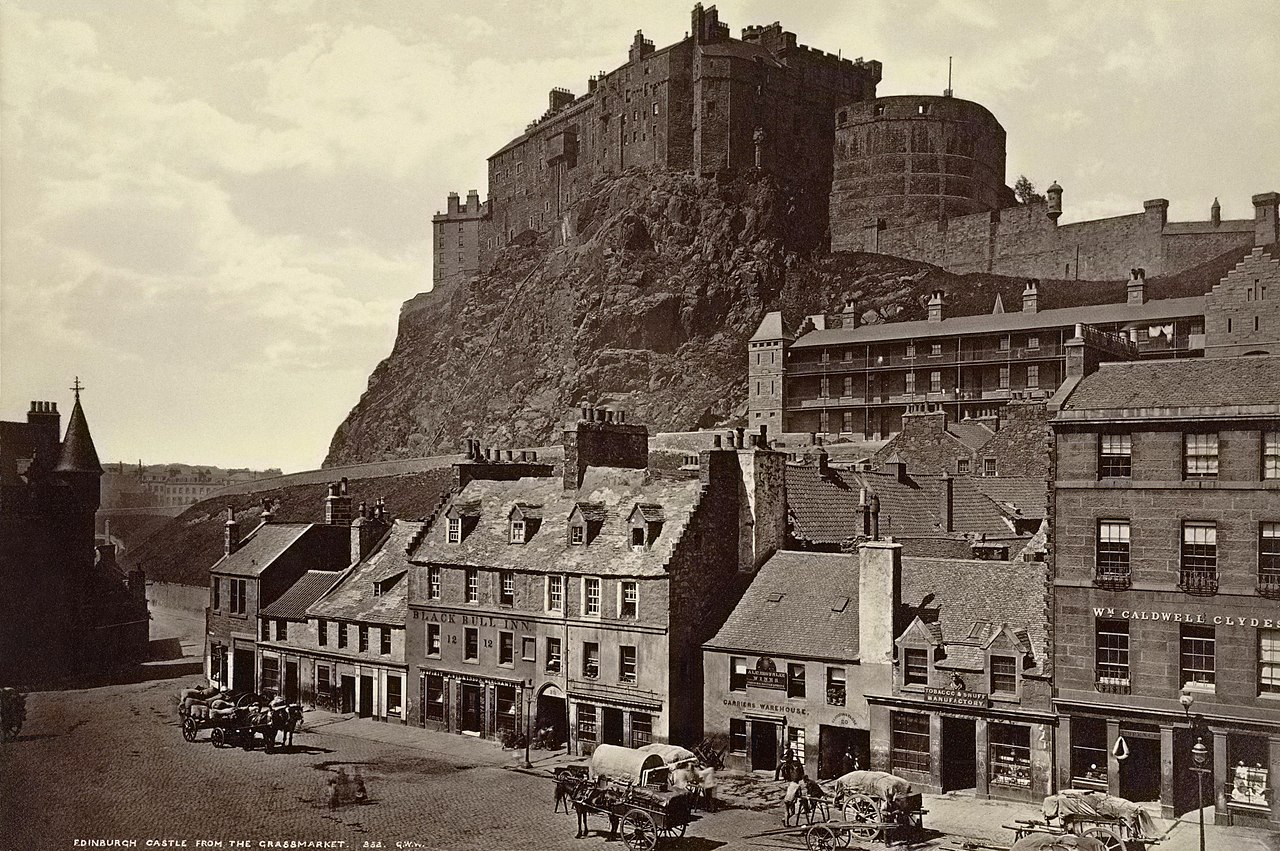
Scotland's languages layered over millennia: Gaelic in the Highlands and Islands, Scots flourishing in Lowland courts and poetry from the 14th century, and English spreading through education and trade after the 1707 Union. The King James Bible and Scottish Enlightenment writers proved Scots and Scottish English could carry world-class ideas. The 20th century saw school policies discourage Scots as 'slang,' but revitalization movements and writers like Irvine Welsh reclaimed it. Today linguists treat Scots as a language with distinct grammar; Scottish English is English spoken with Scots substrate—phonology, idioms, and code-switching between 'proper' and 'local' depending on room. Broadcasting (BBC Scotland, STV) normalized General Scottish English while local pride strengthened regional markers post-devolution. Diaspora communities in Canada, Australia, and the US carried words like 'wee' and 'loch' worldwide. Scottish speech is not imitation RP with a burr; it's a parallel branch.
Scotland exports culture through bagpipes, ceilidhs, Hogmanay, Burns Night suppers, and football rivalry (Celtic, Rangers, Tartan Army). Literature from Robert Burns and Walter Scott to Ali Smith and Janice Galloway weaves Scots and English together. Film *Trainspotting*, *Local Hero*, and *Brave* (with debate over accents) put voices in global ears. Music spans folk reels, Runrig, Travis, and Glasgow's indie scene—lyrics freely mix registers. Food language: haggis, neeps and tatties, cranachan, square sausage, and 'a wee dram.' Travel from Shetland's Nordic tint to the Borders and you'll hear different vowel systems; island Gaelic bilingualism adds another layer. Famous speakers: Sean Connery, Billy Connolly, Nicola Sturgeon, Andy Murray. Scottish English tolerates directness—understatement is less ritualized than in southern England. 'Aye' can mean yes, agreement, or 'I hear you' depending on tone.
Pronunciation
Scottish English is usually rhotic: R's are pronounced in 'car,' 'bird,' and 'hard.' Many speakers use glottal stops for /t/ in 'butter' or 'cat' (Glasgow especially). Vowels differ from RP: 'cot' and 'caught' may merge; 'house' can be 'hoose' in Scots-heavy speech. 'Wh' often stays breathy in 'which' vs 'witch.' Rolling or tapped R appears in older or theatrical speech. Intonation is flatter than rising British youth accents—statements sound declarative.
FAQ
Questions.
Over five million people in Scotland, plus diaspora. It includes Scots-English bilinguals, Gaelic speakers code-switching, and urban Glaswegian voices markedly different from Edinburgh professionals.
Explore in action
Explore Scottish English in action
Click an expression, skim the map, and save a fact — then take the full engine with you in the app.
A short walkthrough of this transform — narration rolling out next.
It is raining very hard. You should take an umbrella.
It's hoaching down out there—ye'll need a brolly or ye'll get drookit.
Coming soon — short narrated walkthrough of this page’s transform.
Hear Scottish English
Accent Listen for this page is coming soon — when live, it will be clearly labeled as dialect audio. Coming soon
Tap a line to see the Scottish English take.
Yes
Scottish EnglishAye
Universal affirmative
Scotland
From Glaswegian streets to Highland towns — rhotic and proud.
Scottish English sits beside Scots (a Germanic language) and Scottish Gaelic — many speakers code-switch among all three in a single parish.
Get Rhetoriq
Write it. Transform it. Sound Scottish.
Take the full dialect engine with you — transform text and hear it spoken in the app.